Understanding the Structure of Modern Spin Games
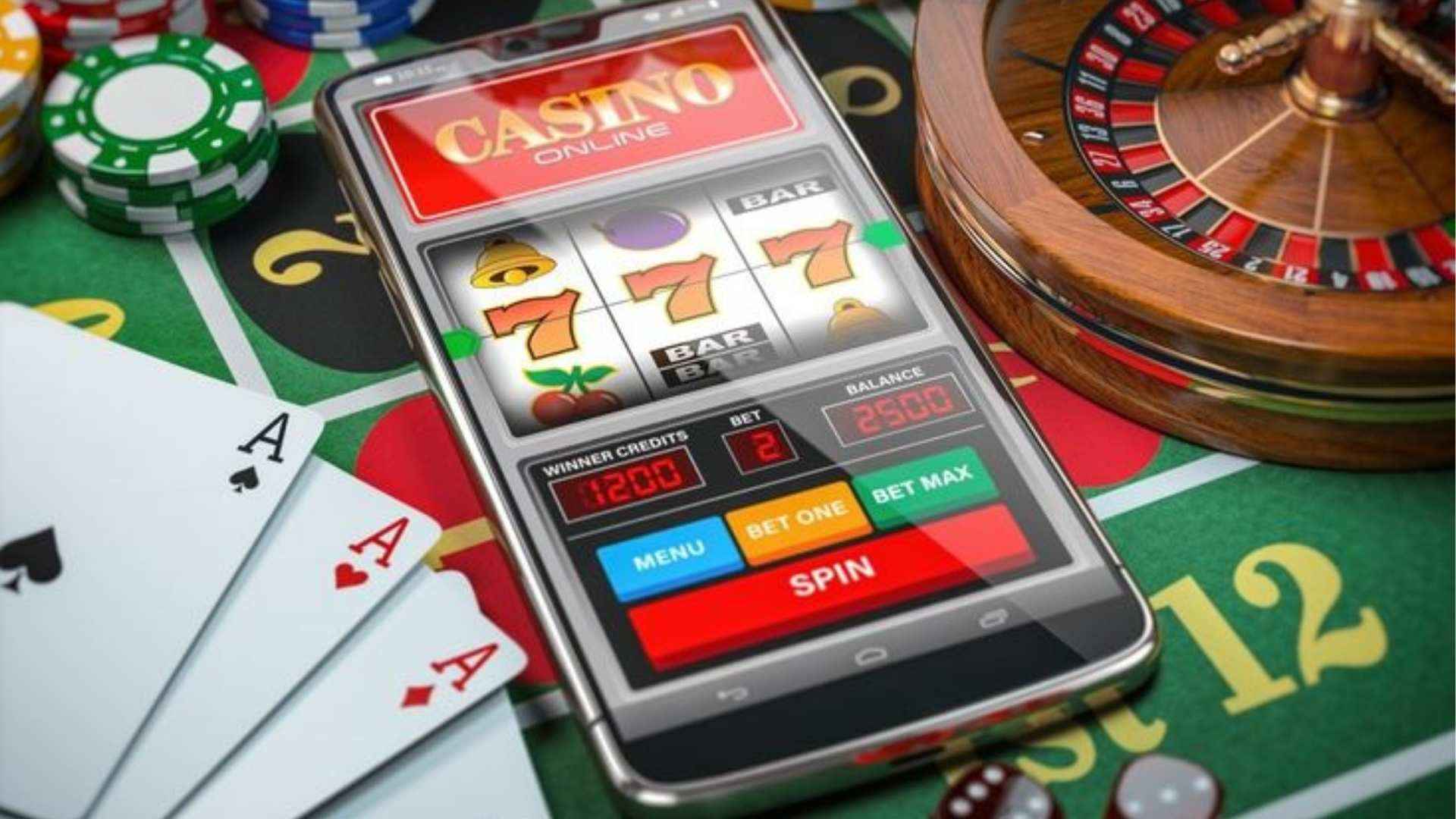
Digital entertainment has experienced a massive shift as traditional mechanical formats transition into highly sophisticated software systems. Modern spin games represent a pinnacle of this evolution, captivating millions of players worldwide with dynamic layouts and real-time interaction. Understanding how these contemporary systems are structured helps participants develop clearer expectations and a deeper appreciation for digital design.
The Core Algorithm Behind Fair Distribution
At the heart of every modern spin game lies a highly sophisticated engine known as a Random Number Generator. This specialized software ensures that every single turn remains completely independent of past results, preventing predictable patterns from forming. By utilizing these mathematical distributions, platforms can maintain absolute transparency and fair play across all interactive sessions.
Many players often look for verified insights and updates on digital gaming layouts from reputable platforms. For instance, curious enthusiasts frequently consult resources like boss toto to understand how modern software structures shape consumer trends and transparency. Recognizing these behind-the-scenes algorithms allows participants to abandon common myths regarding winning streaks or overdue payouts.
Visual Architecture and Sensory Engagement
While the mathematical models govern the fairness of a session, the visual presentation layer drives the actual player engagement. Modern developers spend significant resources creating fluid animations, vibrant color palettes, and adaptive lighting effects that mimic physical motion. These artistic elements are meticulously timed to build anticipation as the indicators slow down near specific milestones.
Furthermore, interactive soundscapes complement the visual structure by providing immediate auditory feedback for every event. Subtle acoustic cues change dynamically depending on how close the rotation is to a major bonus segment. This combination of sensory inputs transforms a straightforward mechanical concept into an immersive, multimedia spectacle.
Multi-Tiered Reward Frameworks and Progression
Unlike early iterations that featured basic, uniform prize distributions, contemporary spin challenges rely on diverse reward architectures. Software designers divide the game grid into multi-layered valuation tiers, balancing rare jackpots with highly frequent minor bonuses. This strategic diversification ensures that players experience steady milestones throughout their active session.
Many advanced configurations also integrate cascading features, multipliers, or secondary bonus rounds that unlock unexpected progression pathways. By creating layered mechanics, platforms can offer continuous entertainment value that appeals to varying player profiles. Understanding this tier structure helps participants appreciate the cumulative value of smaller rewards rather than focusing exclusively on top payouts.
Promoting Balanced Decisions and Sustainability
Gaining a clear perspective on the internal mechanics of digital spin games is essential for establishing a healthy, responsible approach. Knowing that every round is purely a product of randomized math allows individuals to manage their session times effectively. Setting explicit limits on both time and balance beforehand ensures that the interactive media remains an enjoyable pastime.
Ultimately, true engagement comes from appreciating the technological innovations, artistic presentation, and mathematical balance built into these platforms. By looking past surface-level animations and analyzing structural configurations, players can make much more informed choices. As digital technology continues to advance, the architectures of these games will become even more adaptive and immersive.